Uncover the Rewards of Home Remodeling: A Complete Guide to Improving Your Living Space
Home remodeling offers several advantages that are more than mere aesthetics. It can significantly boost a property's value while improving its power performance and utility. As homeowners aim to design spaces that cater to their developing desires, the benefits of strategic renovations become plainly visible. Grasping these advantages can aid people in make wise judgments about their living spaces, leading to significant improvements that promote comfort and personal expression. What exact rewards are in store for those prepared to begin this journey?
Boosting Aesthetic Appeal
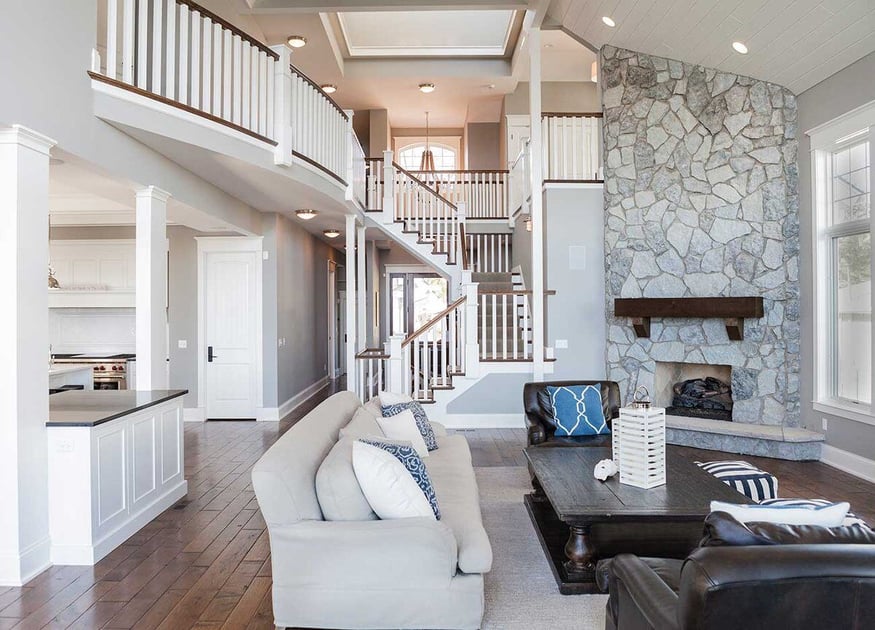
Although many homeowners may not realize it, boosting the beauty through remodeling can greatly transform a living space. A properly done remodel can breathe new life into outdated interiors, creating environments that reflect personal style and current design trends. Whether it includes refreshing colors, textures, or layouts, these changes can greatly influence the general feeling of a home.
For instance, introducing modern lighting fixtures or replacing worn-out flooring can create a more welcoming atmosphere. Designs that are open-plan can boost interaction, making spaces feel larger and more cohesive. Additionally, incorporating elements like decorative moldings, custom cabinetry, or trendy splashbacks can increase the aesthetic appeal in key areas like kitchens and living rooms.
Ultimately, the visual upgrades achieved through remodeling do more than just improve the homeowner's experience but also foster a sense of pride and comfort in their surroundings, leading toward a more satisfying life.
Boosting the Value of Your House
Home remodeling can substantially boost a property's value, turning it into a wise financial move for homeowners. Well-planned improvements, for example kitchen or bathroom renovations, typically result in significant returns. According to industry experts, a modernized kitchen can earn back nearly 80% of its cost upon resale. Additionally, boosting the outdoor appearance through exterior improvements can interest future owners, increasing the total value of the house.
Energy-efficient upgrades, like new windows or insulation, do more than just cut utility costs but also are desirable to eco-conscious buyers, further increasing market value. Furthermore, adding livable square footage via a new room or renovated lower level enhances both functionality and attractiveness, making the home more competitive in the housing market.
In the end, well-planned home improvements are capable of turning a house into a more desirable asset, providing a solid financial return and giving residents an improved living experience.
Enhancing Utility and Design
Effective home remodeling does more than boost the home's worth but also focuses on improving functionality and layout throughout the home. A strategic update is able to convert confined spaces into more usable spaces, improving the movement and convenience. For instance, taking down partitions can create open-concept designs that promote sociability and adaptability in room function.
Additionally, rearranging rooms such as laundry rooms and baths improves how well they function. Upgrading storage options and maximizing workspace allows for a more organized environment, customized for the resident's requirements.
In addition, careful arrangement of furnishings during a remodel can improve the overall layout, making rooms feel larger and welcoming. By focusing on usability, homeowners can create a space that satisfies their everyday needs but also enhances their overall quality of life. Finally, a focus on layout and functionality can lead to a more harmonious living experience.
Enhancing Energy Conservation
A considerable advantage of remodeling is the opportunity to boost energy efficiency in the entire house. People commonly leverage this by installing better insulation, putting in high-performance windows, and updating old HVAC units. Such changes not only reduce energy consumption but also lower utility bills, making the home more economical over time.
Additionally, incorporating energy-efficient appliances during a remodel significantly helps conserve power. Features such as programmable thermostats and LED lighting increase energy savings even more, allowing homeowners to manage energy use effectively.
Moreover, implementing green building products and environmentally friendly practices in the course of the update can reduce the home's carbon footprint. Through the selection of sustainable materials and cutting down on refuse, homeowners can create a more sustainable living space. Finally, boosting energy efficiency through remodeling doesn't just aid nature but also enhances the overall value of the home.
Developing a Welcoming Setting
Developing a pleasant ambiance in a home requires several essential components. Maximizing ambient light, improving the spatial arrangement layout, and choosing pleasant materials can greatly elevate the entire feeling. These aspects not only boost aesthetic appeal but also contribute to a more pleasant and functional living space.
Enhancing Available Light
While many residents overlook the impact of natural light, its improvement can truly change a living space into a more inviting and comfortable environment. Boosting natural light not only lights up rooms but also creates an airy feeling that fosters well-being. Methods such as installing more expansive windows, skylights, or glass doors can considerably boost sunlight exposure. Additionally, applying bright paint and reflective surfaces can amplify the natural light that enters a space. Placing strategically positioned mirrors can additionally boost brightness while creating the impression of depth. By focusing on natural light, homeowners can create a calm and positive ambiance, ultimately resulting to a more pleasant living situation. This simple yet effective improvement can really boost the entire visual appeal and functionality of a home.
Optimizing Space Layout

When residents focus on refining space layout, they can greatly boost the comfort and usability of their living areas. Deliberate arrangement of furniture and fixtures can foster an open, welcoming atmosphere that allows for ease of movement. By analyzing the movement of every room, residents can identify neglected areas and convert them into useful spaces. For instance, combining a kitchen and dining get started area can foster social activity while boosting usefulness. Moreover, adding multi-functional furniture enables versatile uses of space, meeting various needs without making the space too full. In conclusion, a well-considered layout not only improves everyday living but also adds value to the home, turning it a more pleasant and usable space for relatives and visitors alike.
Picking Pleasant Materials
Opting for materials that feel good is necessary for homeowners seeking to create a pleasant setting. The picking of materials, textures, and furnishings is critically important in boosting both aesthetics and feel. Materials like soft, airy textiles such as cotton or linen for upholstery help establish a relaxed atmosphere, while thick carpets add warmth underfoot. In addition, bringing in organic substances like wood or stone introduces a feeling of peace to rooms. Hues and shades are also key to comfort; calm, pale shades usually inspire calm, while bright colors can energize a room. It is important for homeowners to think about how long materials last in addition to comfort, guaranteeing that the chosen materials are resistant to routine use. In the end, a thoughtful selection of cozy elements significantly helps create an welcoming and enjoyable home ambiance, fostering a sense of well-being.
Tailoring Your Environment
Customizing one's home allows individuals to express their personal flair through careful selections in design. By including certain characteristics and floor plans, homeowners can create environments that showcase who they are but also boost practicality. This tailored approach ensures that every area serves a purpose while still looking beautiful.
Distinctive Design Selections
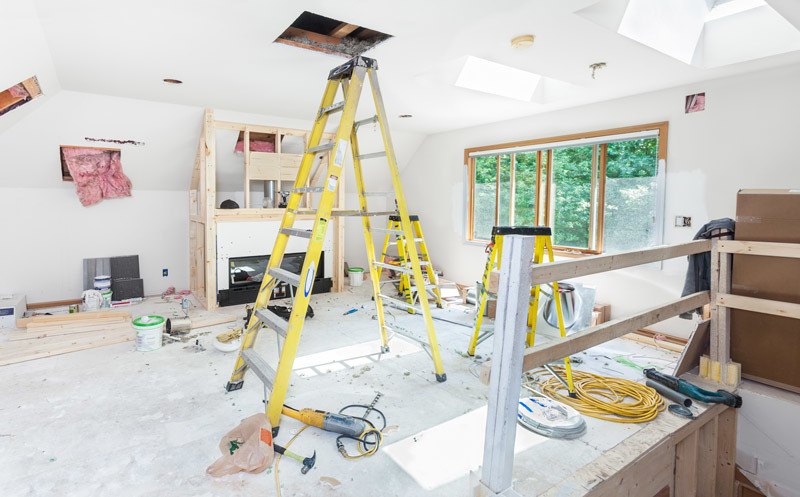
A home serves as a reflection of its owner’s way of life and character, so distinctive design decisions are vital for creating a personalized space. Homeowners have the opportunity to express their unique identity through various elements including color palettes, surface feel, and furnishings. Incorporating personal artwork, family heirlooms, or custom-built features helps boost the distinctiveness of a home. Distinctive aesthetic decisions frequently combine beauty with practicality, allowing for a harmonious atmosphere that connects with the people living there. Whether opting for eye-catching focal points or minor details, these choices contribute to an welcoming and cozy setting. Ultimately, making distinctive design decisions turns a standard area into a personal haven, promoting connection and identity that enriches daily living.
Functional Space Utilization
Designing a custom environment goes beyond unique design choices; it means improving the practicality of all parts of the residence. Effective functional space utilization ensures that every square foot serves a purpose, enhancing both comfort and efficiency. Homeowners can assess their daily routines to determine where changes are necessary—such as developing open layouts for hosting social events or dedicated workspaces for handling remote duties. Incorporating multifunctional furniture, like foldable tables or storage ottomans, optimizes spatial usage without sacrificing style. Additionally, employing vertical storage options is effective for organizing and tidifying rooms. Ultimately, prioritizing functionality not only makes a home unique but also fosters a more enjoyable and practical environment, customized for the residents' specific requirements.
Encouraging Family Bonding and Togetherness
Although home remodeling often focuses on aesthetics and functionality, it can also serve as a catalyst for unity and connection among family members. Including the family in the process of remodeling, individuals encourage collaboration and communication. Deciding on materials, colors, and the design together fosters a sense of ownership and mutual accountability.
Spaces designed for interaction, like cozy family rooms or open-plan kitchens, provide spaces ideal for spending quality time. Family members can gather for meals, game nights, or simply to share everyday experiences, thereby making their relationships stronger. Additionally, remodeling projects can become a shared adventure, complete with decision-making, planning, and the actual effort of the remodeling.
In the end, changing a home goes deeper than just physical alterations; it helps foster relationships within the family. By designing a space that mirrors their shared personality, they forge lasting memories leading to a more balanced and pleasant living space.
FAQs
How Do I Choose a Contractor for My Remodeling Project
When picking a remodeling contractor, it is necessary to interview candidates, compare quotes, read reviews, and check credentials. Good communication skills and reliability are also vital elements for making the right choice.
What Permits Do I Need for Home Remodeling
For remodeling projects, homeowners usually need plumbing, electrical, and building permits, and sometimes zoning permits for remodeling projects. Regulations vary by location, so contacting the relevant local agencies or a specialist can help guarantee compliance with the mandated criteria.
How Do I Establish a Workable Budget for My Renovation?
To set a realistic remodeling budget, start by evaluating the size of the project, gather estimates from contractors, account for the price of materials and labor, and set aside reserve money for unforeseen costs, ensuring you are financially ready for the entire duration.
How Long Does a Standard Home Renovation Usually Take?
Usually, home remodeling takes anywhere from just a few weeks to several months' time. Several things impact the timeline, including the project's scope, complexity, and contractor availability, meaning proper planning is vital for a smooth process.
How Do I Manage Disruption During the Remodeling Process?
To manage disruption during remodeling, one should establish clear communication with contractors, set up a work plan, organize interim housing, and stay flexible. Planning ahead minimizes stress and makes the remodeling journey better.